Have you ever found yourself wondering, “What is it about this that makes it so hard to stop?”
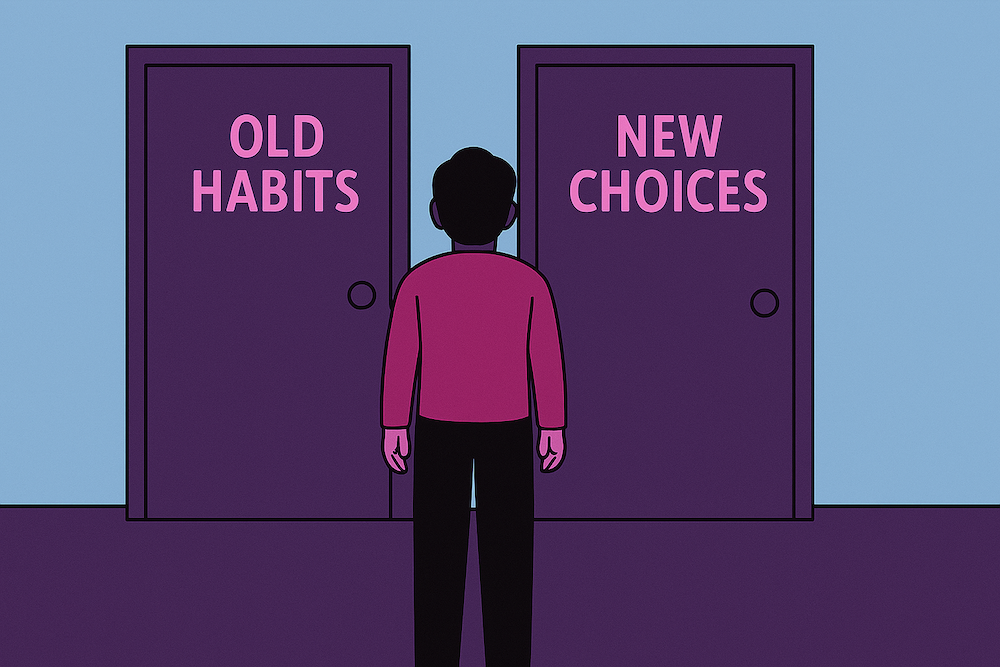
Have you ever found yourself wondering, “What is it about this that makes it so hard to stop?” Many people struggle with a variety of behaviours that can become difficult to control, including drug and alcohol use, sex, internet activity, gaming, pornography, gambling, food, and shopping, among others. Once engaged in these activities, some individuals find it extremely challenging to quit.
Often, these behaviours become repetitive, leading to obsession—where thoughts about the activity become frequent—and compulsion, where individuals act against their own will. If these behaviours begin to interfere with important areas of life such as relationships, work, or finances, they can be considered forms of addiction.
Today, there are numerous ways to address addiction, and many people have successfully overcome activities that once had a negative impact on their lives. Rehabilitation centres and self-help groups are now widely available throughout the UK. In addition, addiction-focused therapy has proven to be highly beneficial. This approach involves enga
ging in one-to-one sessions with a therapist who is informed about addiction, providing tailored support and guidance
Addiction vs habit: what’s the difference?
A habit is a behaviour you can choose to stop without major distress or impact on your life. An addiction, by contrast, involves obsession and compulsion: when you try to quit you might experience cravings or withdrawal that make it feel impossible. Addiction changes the brain’s reward pathways, turning a coping mechanism into a cycle that feels out of your control
Why it can feel impossible to stop
Addictive behaviours and substances tap into the brain’s reward system, releasing dopamine and creating a strong association between the behaviour and relief or pleasure. Over time, triggers like stress, certain emotions or familiar environments can prompt intense cravings. Because the behaviour becomes a way to cope, your brain expects the reward. When you try to stop, your body and mind may respond with discomfort, anxiety or low mood, making it feel impossible without support.
Common signs it’s becoming a problem
Addiction often begins to crowd out other parts of your life. You might find yourself spending more time or money on the substance or behaviour, neglecting responsibilities, hobbies or relationships. It can affect your job performance, your studies, physical health or finances. You may continue even when you know it’s causing harm to yourself or loved ones.
How therapy can help
Working with an addiction-informed therapist can help you understand the underlying emotional drivers of your behaviour. In counselling, you can explore triggers, learn coping strategies and address trauma or pain that contribute to the addictive cycle. A trauma-informed and neurodiversity-affirming approach respects your lived experience and offers tools like mindfulness, CBT and hypnotherapy to support you in regaining control.
If you’re worried about a behaviour or substance use, you can talk it through in a free 15-minute consultation.
Learn more about addiction and recovery on our About page, or read our article on emotional acceptance when facing uncertainty to explore related topics.
What counts as an addiction?
An addiction is a compulsive pattern where a person loses control over a substance or behaviour, experiences cravings and continues despite harm. It involves obsession and compulsion rather than a simple habit.
Can you be addicted to behaviours (not substances)?
Yes, behaviours such as gambling, gaming, shopping or scrolling social media can become addictive when they trigger the brain’s reward pathways. The compulsion to repeat these behaviours serves the same function as substances: to escape, feel pleasure or numb distress.
Why do addiction patterns repeat even when you want to stop?
Addiction rewires your brain’s reward circuitry so cues and triggers evoke cravings and discomfort. Without new coping strategies, the brain seeks the familiar relief even when you consciously want to quit. Patterns repeat until underlying drivers are addressed and you develop healthier ways to cope.
What kind of therapy helps with addiction?
Addiction-informed counselling, trauma-informed therapy, CBT and hypnotherapy can all help. These approaches explore your triggers and coping patterns, teach healthier strategies and address underlying trauma or unmet needs.
What support is available in the UK?
Support includes NHS and private counselling services, 12‑step groups like AA and NA, helplines and community organisations. You can also arrange a free 15‑minute consultation with Christy to explore how counselling and hypnotherapy might help your recovery.